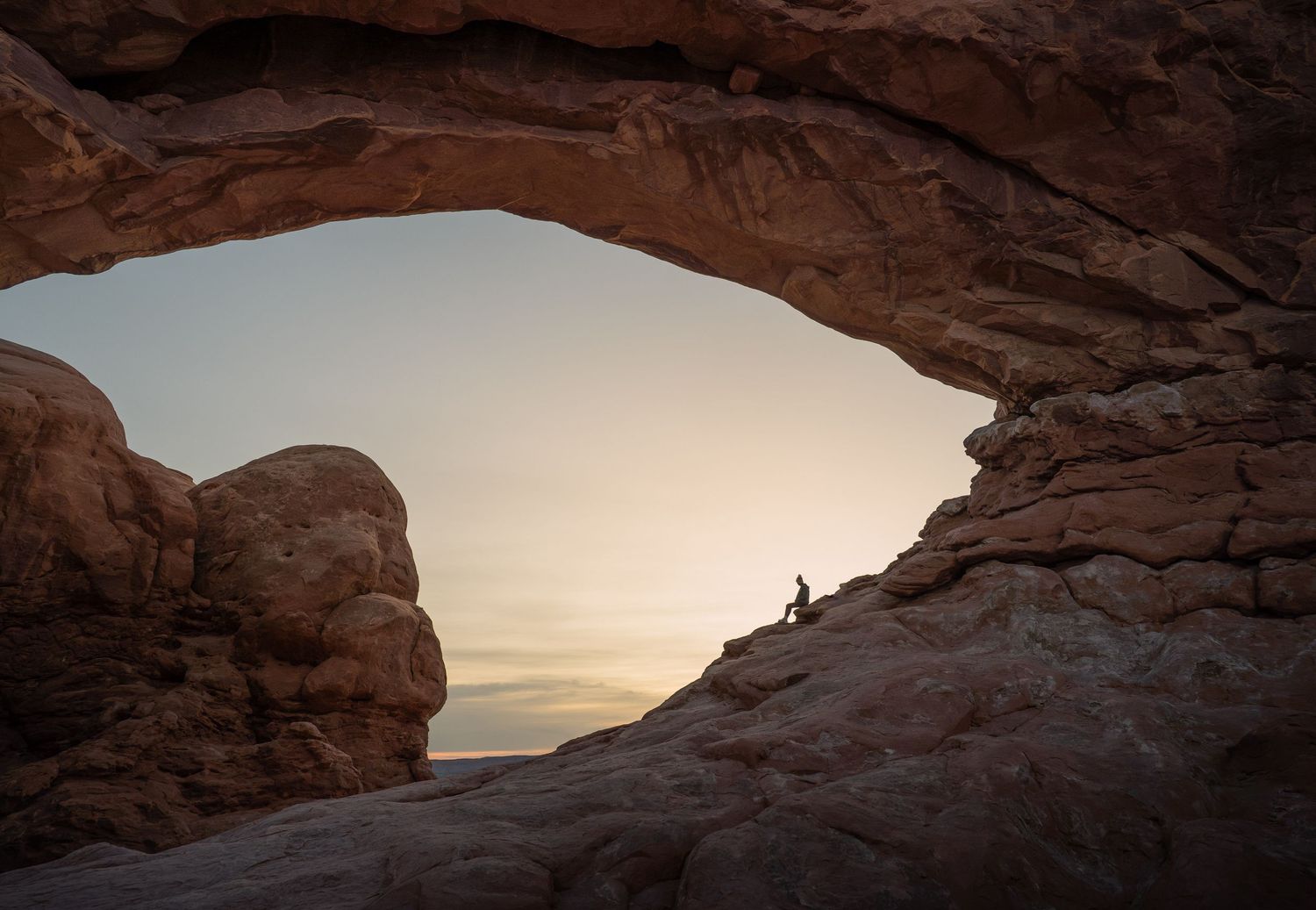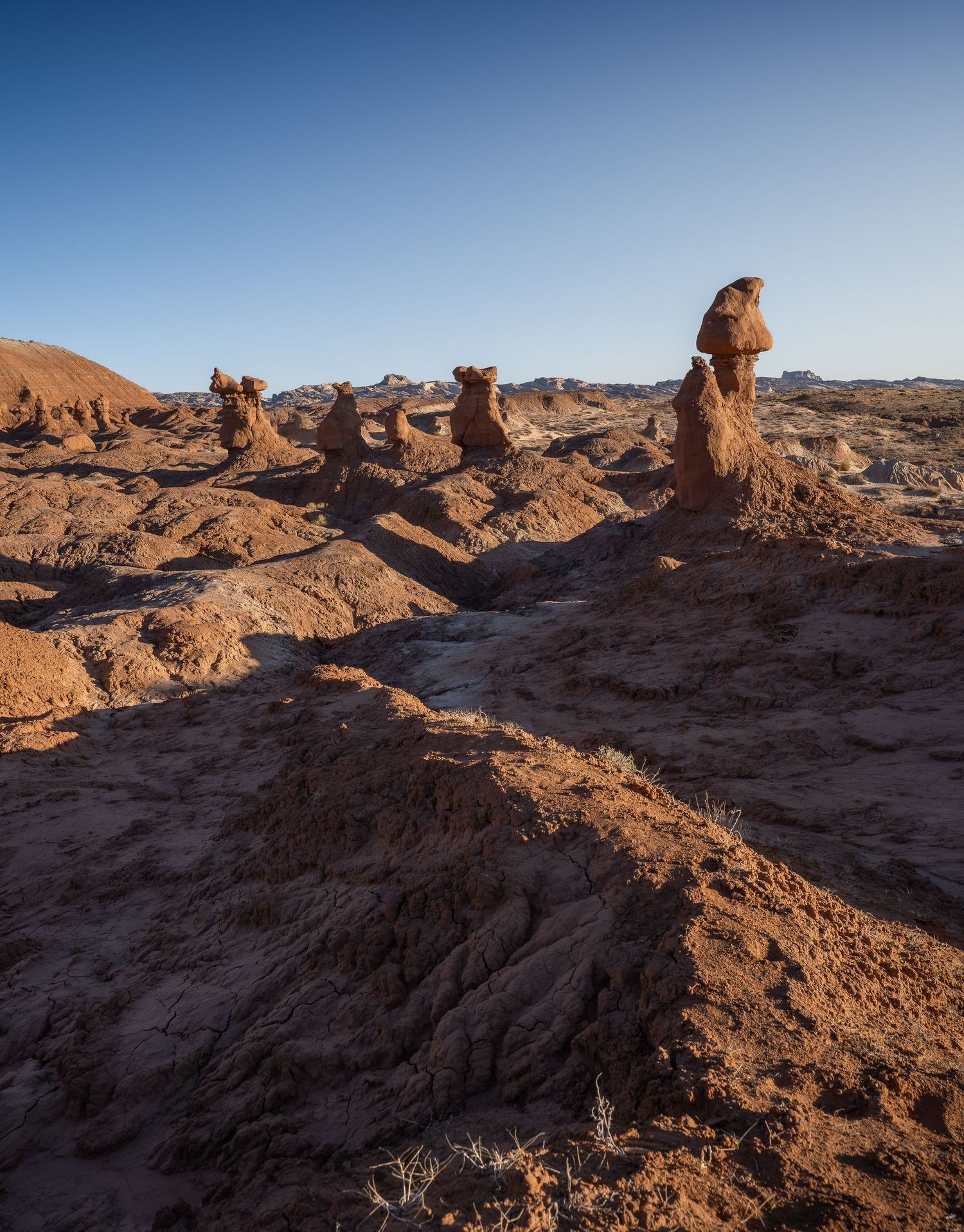
Lower Antelope Canyon, Page, Arizona.
The Rare Gets Amplified
Last year I was on a bus in Nepal and ended up sitting next to a really nice young Nepalese man studying to be an engineer. He and I got to talking and during our conversation he shared that many young and ambitious Nepalese end up leaving Nepal in order to receive a better education and to be exposed to a better job market. The United States and Australia are apparently the top choices amongst his peers. He then casually mentioned that almost all of his friends opted for Australia because they were afraid of getting shot in the United States.
I wasn’t sure I understood.
“You mean… getting shot with a gun?!” I clarified.
He replied “yes.”
Well that gave me something to think about.
I reflected on our conversation for a long time after that. These students, and possibly the population at large, clearly interpreted something extremely rare as something extremely common.
And look, I don’t want to start a gun debate—I completely agree that the United States has a gun problem, and that horrific and shameful events have marred our past and recent history. Be that as it may, I never would have guessed that students would intentionally avoid The United States, and all its opportunities, for fear of being shot.
And then it dawned on me that we do this all the time with things like airplane crashes. Airplane crashes are extremely rare, but when one does happen it gets amplified to such a massive scale on the news and on social media that we get the impression that they happen often and that air travel is something to be afraid of. When in fact driving is statistically far more dangerous than flying, yet we rarely hear about those deaths.
Because the rare gets amplified.
So it makes perfect sense; if all someone sees on the news is extreme gun violence in the United States, it would be completely reasonable for them to expect extreme gun violence were they ever to visit.
Here’s the thing that started to bother me: if others are having this experience about the United States, how much are we experiencing this same thing ourselves? What do we identify as true because we see them often, even though they are exceedingly rare and likely not representative of that person, place or thing as a whole? How much of what we believe is simply because it makes for a great news story?
The implications are scary.
And this is why I’ve become frustrated with people warning me about visiting countries that they themselves have never visited. Unless they’ve actually done their research or happen to have close ties to that country, they too are likely perpetuating something that may not necessarily be accurate or common.
And look, I’m not trying to make it appear that I’m immune to this same phenomenon—this can, and likely does, happen to every single one of us. But that doesn’t mean we can’t learn to do better.
So what’s the solution?
Like most things, I believe it begins with self-awareness—becoming conscious of the things we are saying and believing while also questioning our information sources. If we get in the habit of doing this, even on a small scale, we will all become more authentic and accurate in what we believe within ourselves and in what we choose to share with others. This will certainly be a challenge, but I believe it’s possible, and important.
“My dear friends, don't believe everything you hear. Carefully weigh and examine what people tell you. Not everyone who talks about God comes from God.” –1 John 4:1
(I’ve never cited the Bible before, but I suppose there’s a first time for everything.)